ETFs can do a lot of the heavy lifting in retirement and in an SMSF: a low-cost core of Australian and global shares for growth, income ETFs and franking credits, bonds for stability, and a cash buffer to pay your pension without selling in a downturn. This hub brings together all our retirement and SMSF guides and videos in one place.
1. Plan: how much do you need?
Start with the numbers: how much you’ll need, whether your super is on track, and why the five years either side of retirement matter most.

How much do you need to retire in Australia?
The simple 20× rule, the four retirement tiers, the Age Pension and the risk that can wreck your plan. With a calculator.
Read & watch →
How much super should you have at 30, 40 and 50?
Balances by age, and the monthly amount to reach $2 million by 60.
Read & watch →
The retirement red zone: super, SMSFs and your last 5 years
The three super levers, SMSF vs industry funds and a simple three-part portfolio.
Read & watch →2. Build: a retirement portfolio with ETFs
Most retirement portfolios need to do two jobs: pay an income now and keep growing for a retirement that could last 25 years or more. We use three parts: a cash buffer to pay your pension, a core for long-term growth, and satellites for access to parts of the market the core doesn’t hold much of.
One low-cost diversified ETF, or Australian and global share ETFs, held for the long term.
Access to parts of the market that aren’t featured heavily in the core, but could offer unique risk-return opportunities and added diversification.
The cash buffer is what lets the core stay invested. When markets fall, you draw on cash instead of selling shares at low prices, then top the buffer back up when markets recover.
The core
One low-cost diversified ETF such as , or , or Australian and global share ETFs like and . We wouldn’t go more conservative than a 70/30 fund like VDGR, even in retirement; the cash buffer manages the short-term risk instead.
The satellites: what’s missing from the core
Satellites give you access to parts of the market that aren’t featured heavily in the core, but could offer unique risk-return opportunities and added diversification. Every satellite has to earn its place by adding something that is missing, overlooked or underweight in the core. Classic examples:
Here’s how some of those ideas performed over the past year, against a diversified core:
The best satellites did many times better than the core, but they can also go badly wrong (Bitcoin fell about 31%). That’s why satellites are sized smaller and managed more actively. More in core and satellite investing.
The cash buffer
Two to three years of spending in cash, for example in a high-interest cash ETF like or , or a bank account. It pays your pension, so the core never has to be sold after a fall.
Watch: how I build a retirement portfolio with ETFs
I walk through the core, the satellites and the 3-year cash buffer in this video. Tap a chapter to jump straight to it.

How to build a retirement portfolio with ETFs
Core ETFs by age, satellites for income and the 3-year cash buffer.
Read & watch →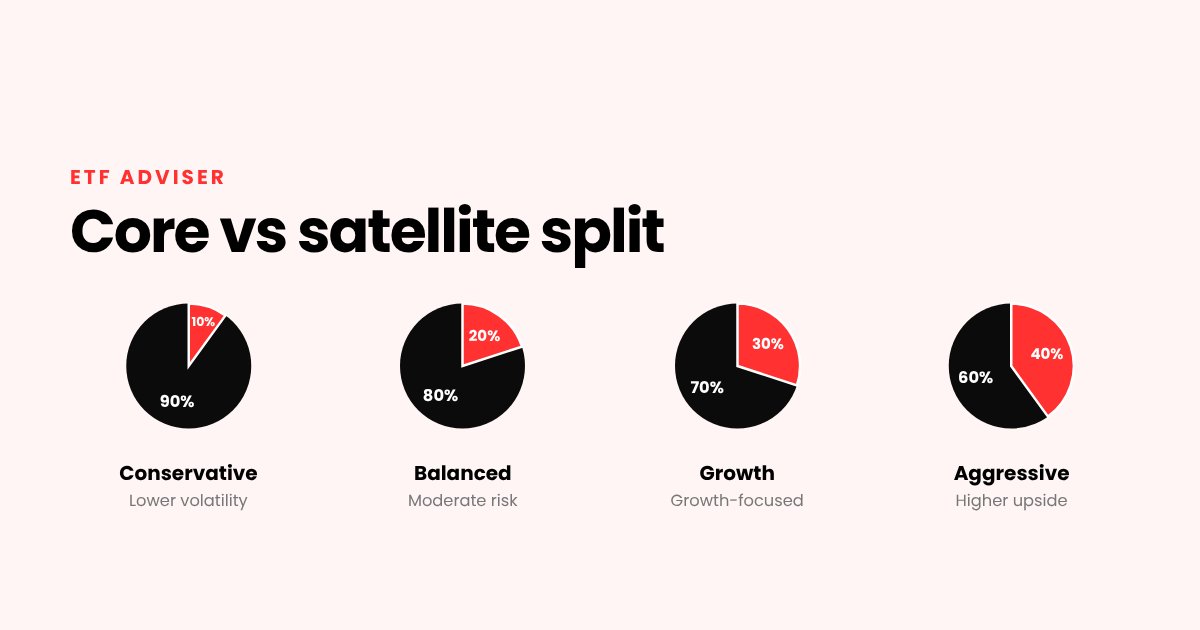
Core and satellite investing: why we use it
One core ETF plus 6–10 satellites, from $10k to $10m+.
Read →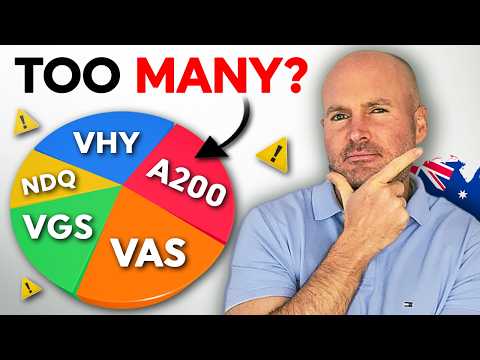
How many ETFs should you own?
Spot fake diversification, when one fund is enough, and where satellites help.
Read & watch →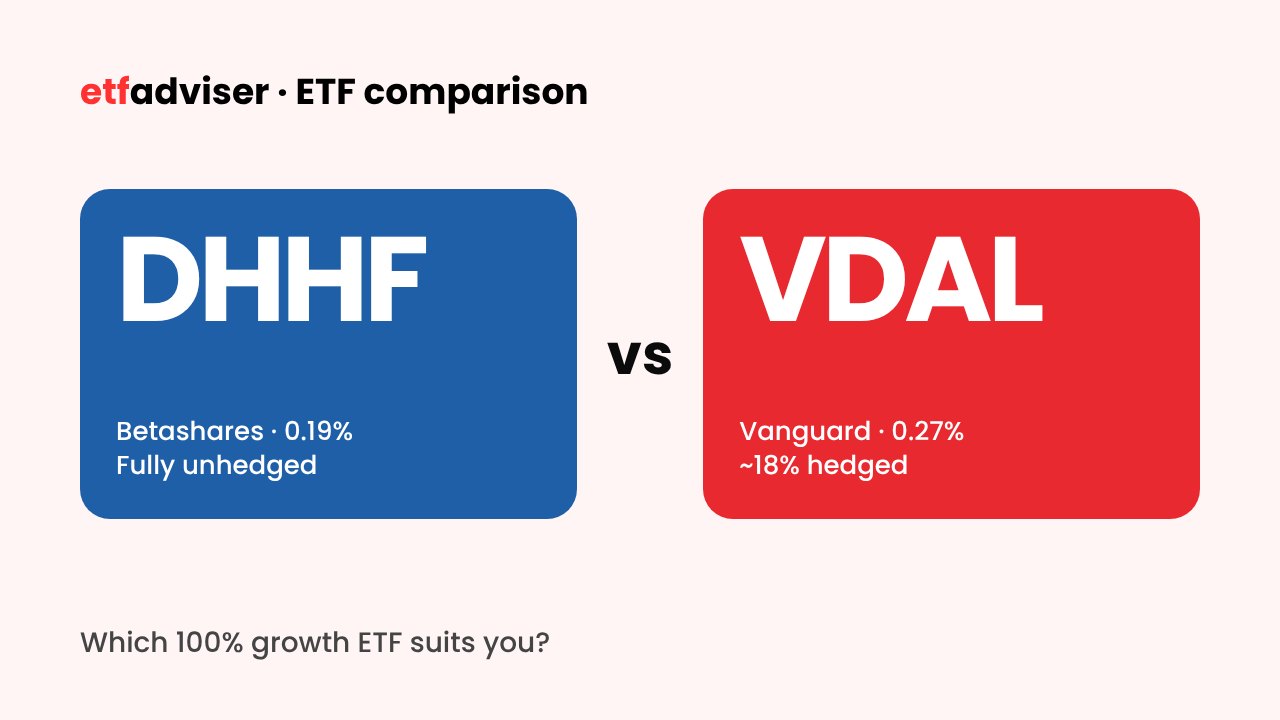
DHHF vs VDAL: which all-growth ETF?
Holdings, hedging, fees and performance compared.
Read →
VDHG vs VAS and VGS: one ETF or two?
Holdings, US and currency exposure, returns, fees and control.
Read & watch →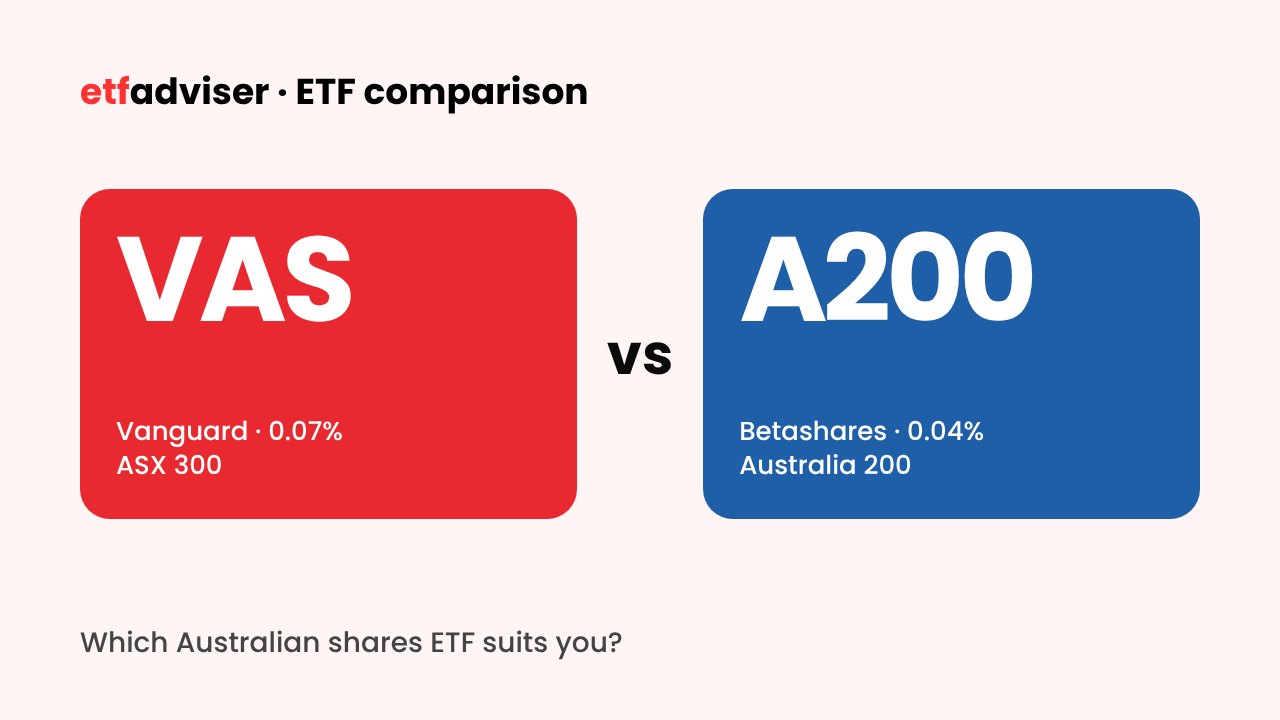
VAS vs A200: which Australian shares ETF?
Index, holdings, fees and performance compared.
Read →3. Income: dividends and franking credits
Franking credits are worth the most to people on low tax rates, including SMSFs in pension phase, where excess credits can be refunded as cash. High-dividend ETFs can lean heavily on the big banks, so look at total return, not just the yield.
💰 Income ETF trackerCompare yield, franking, distributions and trend for 50+ income ETFs: shares, hybrids, bonds and cash.Open the tracker →
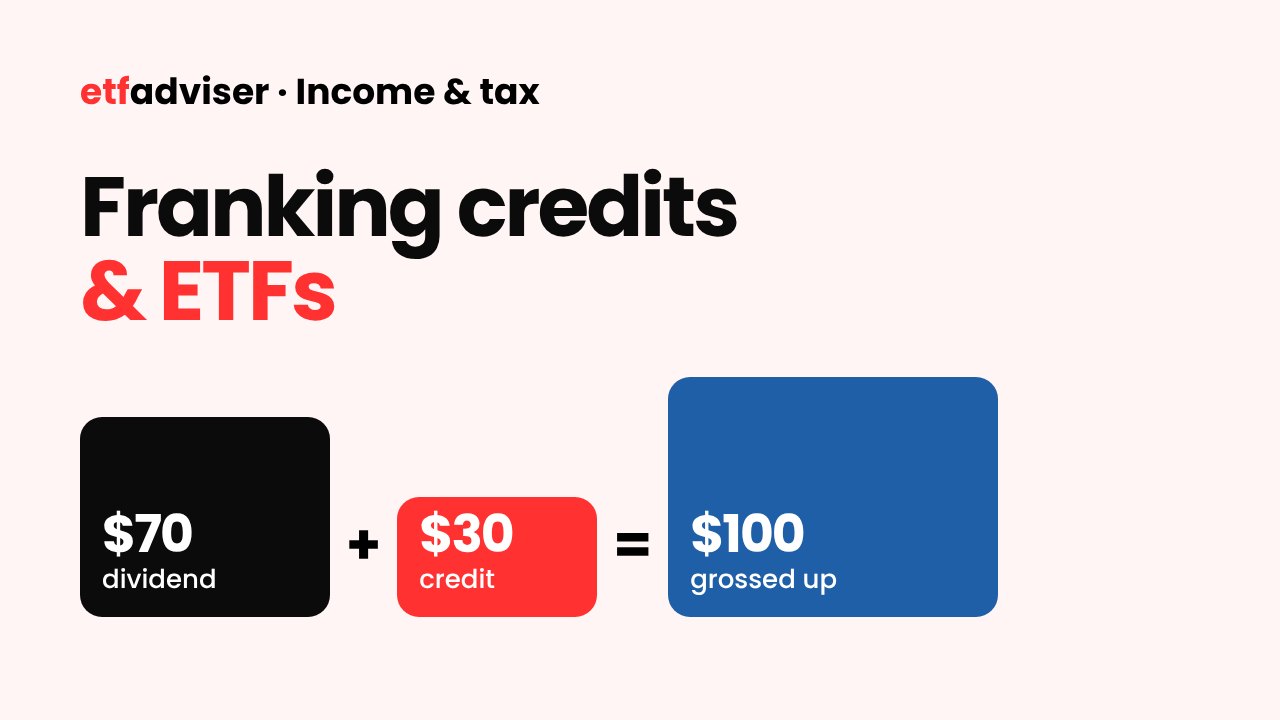
Franking credits and ETFs: how they work
What they’re worth, which ETFs pay them and the feeder-fund trap.
Read →
Income, gold and GARP: Global X’s Marc Jocum
Income without the banks, covered calls explained, gold, copper and growth at a reasonable price.
Read & watch →Dividend and income ETFs
Every income ETF on the ASX, with 1-year charts.
Open →Bond ETFs
Australian and global bond ETFs for the defensive part of a portfolio.
Open →Cash ETFs
For the cash buffer that pays your pension.
Open →4. SMSF essentials for ETF investors
ETFs are popular with SMSF trustees because they’re simple, low-cost and easy to report on. See our guide to the best ETFs for SMSFs, with a sortable list by role. Some key points to keep in mind:
Trustees must have one and review it regularly. It should consider diversification, risk, liquidity and members’ needs. A simple core of diversified ETFs makes this easier to show.
ETFs should be held in the SMSF’s name, for example on a CHESS-sponsored HIN, kept separate from your personal investments.
In pension phase the fund must pay at least the minimum each year, so keep enough cash or easily sold assets to cover it.
Earnings are generally taxed at 15% in accumulation and 0% in retirement phase, which makes franking credits especially valuable.
ETFs have low fees, daily pricing and clear tax statements, which keeps admin and reporting simpler for trustees.
A broad mix of Australian shares, global shares, bonds and cash reduces reliance on the big banks and miners.
Minimum pension drawdowns
Once your SMSF (or any super fund) pays an account-based pension, you must withdraw at least a minimum percentage each year. Planning your cash bucket around these amounts avoids forced selling.
Watch more in the retirement red zone: super, SMSFs and your last 5 years.
5. Protect: handling market falls in retirement
A big fall in the first few years of retirement (sequence of returns risk) hurts more than the same fall later on, because you’re selling assets to fund spending while prices are low. A cash buffer, a diversified core and a clear plan for satellites all help.

“Billions wiped off the ASX”: where does the money go?
What a crash really means for your shares and ETFs, and what to do when markets fall.
Read & watch →
Hedged vs unhedged ETFs: which should you own?
How hedging works, 1, 3 and 5-year returns, the cost, and how to choose.
Read & watch →
ETFs vs property: which builds more wealth?
A 10-year side-by-side model, the leverage effect, and buying a home vs renting and investing.
Read & watch →Our free portfolio review helps spot gaps, overlap and risks, such as too much in the big banks or not enough in cash for your pension payments.
Get a free portfolio review →General information only. It doesn’t consider your objectives, financial situation or needs, and it isn’t advice about whether to set up or run an SMSF. Super and tax rules change; check the ATO and consider personal advice. ETFs named are examples, not recommendations. Past performance is not a reliable indicator of future performance.
Frequently asked questions
Are ETFs good for retirees?
ETFs can suit retirees because they’re low cost, diversified and easy to sell when you need cash. Many retirees use broad share ETFs for growth, income ETFs for dividends and franking, and bond and cash ETFs for stability. The right mix depends on your needs and risk tolerance.
Can an SMSF invest in ETFs?
Yes. ETFs are among the most common SMSF investments. They must be held in the fund’s name and fit the fund’s written investment strategy, which should consider diversification, risk, liquidity and members’ needs.
Do SMSFs get franking credit refunds?
Yes. SMSFs pay 15% tax on earnings in accumulation and generally 0% in retirement phase, so franking credits can reduce tax or be refunded in cash when they exceed the tax payable.
How much cash should a retiree hold?
A common approach is to hold one to three years of spending in cash, so pension payments don’t depend on selling shares after a fall. The right amount depends on your income needs and other assets.
What is the minimum pension drawdown?
For account-based pensions, the standard minimum is 4% of the balance under age 65, rising to 5% at 65–74, 6% at 75–79, 7% at 80–84, 9% at 85–89, 11% at 90–94 and 14% from 95.