With $10,000, keep it simple: one diversified ETF such as DHHF or VDAL, or two low-cost ETFs such as A200 and BGBL at 30/70. If you want to add growth themes, put about 80% in a core ETF and 20% in one or two satellites, and only buy a satellite when it’s in an uptrend. More ETFs than that at $10k mostly adds brokerage and overlap, not diversification.
$10,000 is a great starting point, and with ETFs you can own thousands of companies around the world for less than the cost of a coffee a month in fees. The trap is overcomplicating it. Here are three ways to build a $10k ETF portfolio in Australia, with the exact ETFs, dollar amounts and fees, and how to choose between them.
Option 1: one diversified ETF (the simplest)
For most people starting with $10,000, one all-in-one ETF does the job. It holds Australian and international shares in a set mix and rebalances for you.
DHHF and VDAL are both 100% shares, so they’re for money you won’t need for at least five to seven years. If you want a small buffer of bonds, VDHG is about 90% shares and 10% bonds, for 0.27%. See DHHF vs VDHG and VDHG vs VDAL.
🎥 Watch me explain this
 ▶5:04VDHG vs DHHF: which all-in-one ETF winsVanguard vs Betashares: who really wins? · from 5:04 · read the post
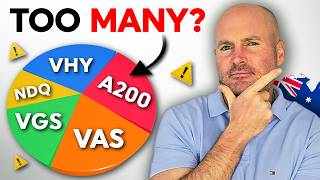 ▶4:03One-fund core vs building it yourselfHow many ETFs should you own? · from 4:03 · read the post
 ▶5:05“I’m 47, new to investing and bought DHHF”Live Q&A, 22 October 2026 · from 5:05 · see the Q&A
Option 2: two low-cost ETFs (the cheapest)
If you want the lowest fees and don’t mind rebalancing once a year, split your money between an Australian ETF and a global one.
The same idea works with VAS and VGS, for higher fees: about $15 a year on $10,000. BGBL overlaps VGS by about 92%, so you’re getting almost the same portfolio. See VGS vs BGBL and building a VAS and VGS portfolio.
🎥 Watch me explain this
- ▶2:37VAS vs A200, then VGS vs BGBLVanguard vs Betashares: who really wins? · from 2:37 · read the post
 ▶0:31What the VAS + VGS portfolio is, and the numbersVAS & VGS: still the best Aussie ETF portfolio in 2026? · from 0:31 · read the post
 ▶30:40“VGS and VAS 70/30 as a young investor?”Live Q&A, 29 October 2026 · from 30:40 · see the Q&A
Option 3: core and satellite (for growth themes)
This is how we invest. The core does the heavy lifting; the satellites add the parts of the market the core misses, such as gold, resources or a strong theme, but only while they’re trending up.
At $10,000, keep it to one or two satellites. Each extra holding means another trade, more brokerage and more to watch. The core keeps you invested; the satellites give you feedback on what the market is doing. More in core and satellite investing.
🎥 Watch me explain this
- ▶5:22A better approach: core and satelliteVAS & VGS: still the best Aussie ETF portfolio in 2026? · from 5:22 · read the post
- ▶6:08Where more ETFs can help: satellitesHow many ETFs should you own? · from 6:08 · read the post
- ▶9:48Why the satellite is hardHow many ETFs should you own? · from 9:48 · read the post
Which option should you choose?
🎥 Watch me explain this
 ▶10:36One ETF or two: which one suits you?VDHG vs VAS & VGS: one ETF or two? · from 10:36 · read the post
Why not eight ETFs with $10,000?
- Brokerage adds up. Many brokers charge somewhere between $0 and about $10 a trade. On a $1,000 purchase, $10 is 1% gone before you start, more than most ETF fees for a whole year.
- The ASX minimum. Your first purchase of any ETF has to be at least $500.
- Overlap. Many ETFs hold the same big companies. Owning VGS, IVV and NDQ together means owning Apple, Microsoft and Nvidia three times. Check yours with our free overlap calculator.
As your portfolio grows, you can add satellites. Our rule of thumb is one core ETF and no more than 10 ETFs in total. See how many ETFs should I own?
🎥 Watch me explain this
- ▶1:53More ETFs ≠ more diversificationHow many ETFs should you own? · from 1:53 · read the post
- ▶7:33The $36,000 differenceHow many ETFs should you own? · from 7:33 · read the post
 ▶1:42:25“Can you be over-diversified?”Live Q&A, 5 November 2026 · from 1:42:25 · see the Q&A
Adding money each month
- Keep adding to the core. Regular investing (dollar-cost averaging) means you buy more units when prices are low. We keep adding to the core while it holds above its 200-day average.
- Batch small amounts. If you’re adding $200 a month, consider buying every two or three months to keep brokerage low.
- Use new money to rebalance. In option 2, put new money into whichever ETF is below its target, rather than selling the other.
🎥 Watch me explain this
 ▶8:58Build the habit, avoid the trapsHow to buy your first ETF in Australia · from 8:58 · read the post
- ▶1:08:45“Keep adding monthly into 2027, or wait?”Live Q&A, 29 October 2026 · from 1:08:45 · see the Q&A
- ▶8:24“Should I keep adding to my core, or pause?”Live Q&A, 22 October 2026 · from 8:24 · see the Q&A
When to buy
For the core, time in the market matters more than timing. For satellites, timing matters: we only buy when an ETF moves from a base into an uptrend, and we don’t hold ETFs in downtrends. Every ETF’s trend is in our ETF trend scanner, and the method is in when to buy an ETF.
🎥 Watch me explain this
 ▶0:45Everything moves in base and trendThe base and trend method · from 0:45 · read the post
- ▶10:02My step-by-step processThe base and trend method · from 10:02 · read the post
- ▶1:23:14“Would you buy DHHF at these prices?”Live Q&A, 29 October 2026 · from 1:23:14 · see the Q&A
Tax basics
- Distributions are taxable each year, even if you reinvest them. Australian share ETFs like A200 usually come with franking credits. See franking credits and ETFs.
- Capital gains are taxed when you sell. Hold for at least 12 months for concessional treatment, and note the rules change from 1 July 2027. See CGT changes from 2027.
- Keep your annual tax statements, because they adjust your cost base.
🎥 Watch me explain this
- ▶10:10Costs and taxHow to buy your first ETF in Australia · from 10:10 · read the post
- ▶9:06Fees, tax and controlVDHG vs VAS & VGS: one ETF or two? · from 9:06 · read the post
Your next steps
- Pick an option above, and choose a broker. See how to buy your first ETF.
- Compare fees over time with our ETF fee calculator.
- Once you own a few ETFs, run the free portfolio report to check overlap, fees and your core/satellite mix.
Every week we show which ETFs are setting up, with a model portfolio and a live Q&A. Lite from $15 a month.
General information only, not personal advice. It doesn’t consider your objectives, financial situation or needs. ETFs named are examples, not recommendations; consider the PDS and TMD before investing. Fees from the TMX Australia funds report (September 2026) and may change. Past performance is not a reliable indicator of future performance.
🎥 Watch me explain this
- ▶3:17How much to investHow to buy your first ETF in Australia · from 3:17 · read the post
- ▶7:14Placing your first orderHow to buy your first ETF in Australia · from 7:14 · read the post
Frequently asked questions
How should I invest $10,000 in ETFs in Australia?
Keep it simple: one diversified ETF such as DHHF or VDAL, or two low-cost ETFs such as A200 and BGBL split 30/70. If you want growth themes, put about 80% in a core ETF and 20% in one or two satellites, bought only when they’re in an uptrend.
How many ETFs should I own with $10,000?
One to three is plenty. More than that mostly adds brokerage and overlap. Your first purchase of any ASX ETF must be at least $500.
What is the best single ETF for $10,000?
There’s no single best, but all-in-one ETFs like DHHF (0.19%) and VDAL (0.27%) give you Australian and global shares in one fund. VDHG adds about 10% bonds if you want a buffer.
Is A200 and BGBL better than VAS and VGS?
They give very similar exposure (BGBL overlaps VGS by about 92%) for lower fees: about $7 a year on $10,000 at a 30/70 split, against about $15 for VAS and VGS.
Should I invest $10,000 all at once or monthly?
Investing a lump sum gets your money working sooner; spreading it over a few months can feel easier if markets are volatile. For the core, either works. Batch small monthly amounts to keep brokerage low.